Impact of NuCalm® on Surgery and Patient Healing
Periodontist Paul J. Denemark, D.D.S., M.S.D., uses NuCalm® to calm patients before surgery. He argues that a parasympathetic-dominant patient heals faster and more predictably, and backs it with four case reports from his own practice.

- Document
- Research overview
- Author
- Paul J. Denemark, D.D.S., M.S.D.
- Date
- May 22, 2013
- Participants
- Four periodontal surgery case reports, one reference case without NuCalm and three with it
- Measures
- Post-operative pain and swelling, Blood pressure, Soft tissue healing
Key findings
- In a 66-year-old patient, systolic blood pressure fell from 149/72 mm Hg at the start of the appointment to 124/70 mm Hg at the conclusion of surgery following the NuCalm protocol.
- Intra-operative bleeding was less than would normally be expected for the procedure at a slightly elevated blood pressure.
- Dr. Denemark reports patients taking less post-operative medication or none at all, fewer complications, and reduced need for stronger analgesics.
- Patients were reported to be virtually anxiety free within five to eight minutes, which cut scheduled surgical time by removing lengthy set-up and post-surgical recovery periods.
This paper describes how reducing pre-operative stress can aid in the healing process and promote more predictable, rapid recoveries.
Author
Paul J. Denemark, D.D.S., M.S.D.
Publication Date
May 22, 2013
Periodontists do amazing things for people. They are masters of the supporting structures of teeth. They rebuild gum and bone. Periodontists remedy disease states and can even replace teeth. They have spent decades researching and learning what occurs during periodontal healing with regard to tissues, cells, and biochemical signals and events. To effectively help their patients they often have to wound them. Periodontists do their best to educate and inform their patients of the best course of treatment, build their trust and guide them through a challenging experience, resolve to provide the best clinical outcomes, and then hope they heal properly– something they have the least control over. However, they do have control over the pre-operative and surgical experience. Research indicates that reducing stress before surgical events can aid in the healing process. NuCalm®, a revolutionary technology proven to naturally relax the brain and body within minutes without drugs, has shown such a capacity. This document describes how relaxing patients with NuCalm® can reduce the stress response and improve the patient healing experience.
Stages of Wound Healing
The healing process is a complex series of cellular events typically classified into three overlapping phases: inflammation, proliferation, and maturation. [1] This process is initiated immediately after the first tissue cut is made and blood is released into the wound site. Vasoconstriction and blood coagulation are the initial response to the wound followed by platelet activation and the release of cytokines (platelet-derived growth factor, insulin growth factor, bone morphogenetic protein, transforming growth factor, transforming growth factor –β, fibroblast growth factor, etc.). [2] Cytokines are protein mediators that are critical to regulating cell function during wound healing events. As blood clotting progresses, cytokines act as chemoattractants for the migration of phagocytes. Phagocytic macrophages (neutrophils and monocytes) enter the wound site to “clean up” any bacteria and damaged tissue. [3] Following the inflammation phase, fibroblasts migrate to the wound site to initiate the proliferation phase. The proliferation phase involves recruitment and replication of cells for tissue regeneration and capillary re-growth. Fibroblasts produce collagen to form connective tissue and begin the iterative process of collagen synthesis – generating new collagen and removing old collagen. The collagen remodeling phase is considered the maturation phase of wound healing. Success in the later phases of healing closely depends on the effectiveness of the early healing response. [4]
Role of Macrophages and Cytokines on the Healing Process
Macrophages are white blood cells that ingest foreign materials and destroy bacteria. They are critical in the early stages of wound healing. Macrophages also have other important roles, including:
- Secretion of collagenases and elastases to break down injured tissue and release cytokines
- Release PDGF (platelet-derived growth factor) cytokines to stimulate proliferation of fibroblasts and smooth muscle cells
- Secrete substances to attract endothelial cells to help repair blood vessel injuries
Macrophage-derived growth factors are known to be pivotal in new tissue formation. A shortage of macrophages impairs fibroplasia and the formation of connective tissue. This delays the overall rate of healing. [5]
Cytokines are soluble proteins released by cells to send messages to other local cells. Cytokines bind to specific receptors of the target cell to cause a change in function. [6,7] Cytokines are known to play significant roles in regulating the complex interplay of cells during all three phases of wound healing. According to the Concise Encyclopedia of Bioscience:
Cytokines ensure that the restorative sequences are carried out in the appropriate order by signaling blood cells and vascular endothelium to coagulate and fill in a wound opening, recruiting and signaling macrophages and neutrophils to engulf microbes, and guiding protective skin epidermal cells to grow over the wounded area. [8]
The Impact of Stress on Wound Healing
Wound healing is a natural restorative response to tissue injury. The wound healing process is a complex system of cascading cellular events that result in reconstitution and restoration of the wound site. [9] Impediments to any of the cellular functions during the healing process can delay healing and compromise the outcome. [10,11,12]
It is well known and well documented that stress can have a profound impact on cellular response systems. Research shows that stress can adversely affect the body by disrupting communication between the nervous systems, endocrine system, and immune system. These systems communicate using natural chemical messages and must maintain tight communication to maintain coordination and effectiveness. As the body responds to stress, the hypothalamus secretes corticotropin releasing factor (CRF), to initiate production of adrenocorticotropic hormone (ACTH) by the anterior pituitary gland. [13] The release of ACTH in the blood stream stimulates the adrenal cortex to produce glucocorticoids (stress hormones). [14] Cortisol, the primary glucocorticoid, stimulates the production of enzymes, which increases the availability of the body’s fuel supply needed to respond to stress. The metabolic actions of epinephrine and cortisol ready the body for its ‘fight-or-flight’ response. [15] However, if cortisol levels remain elevated for too long, there is a decreased inflammatory response and suppression of the immune system.
A 2006 study investigating the relationship of dysphoria on palatal wound healing on 193 undergraduate students at The Ohio State University concluded that there is a “strong association between psychosocial distress and wound healing.” [16] Subjects who reported a high level of depressive symptoms experienced slower wound healing.
According to a study published in the Archives of General Psychiatry on the healing process from skin blisters for 36 women, “stress-induced elevations in glucocorticoid levels can alter the carefully regulated dynamic system that controls development of the inflammatory response, suppressing IL-1a and TNF [cytokines] production. Consistent with these data, we found that women who produced low cytokine levels reported more stress and more negative affect than women who produced high cytokine levels, and the former also had higher levels of salivary cortisol.” [17]
Anecdotally, we are all aware of the negative impact stress has on our overall health and well-being. When we are consumed by stress, we don’t sleep as well, our appetite suffers, we don’t provide our bodies with appropriate nutrients, we don’t process information as well, our energy level suffers, and our satisfaction and happiness levels are compromised. Stress profoundly impacts our cognition, our vitality, our effectiveness, and our efficiencies. So, what do you think stress is doing to us on a cellular level? It’s wreaking havoc on our immune system, our body’s natural healing processes, and our endocrinology. Imagine the potential benefit for patients whose stress and anxiety levels are dramatically reduced.
Impact of NuCalm® on Pre-Operative Patient Stress
NuCalm® is a revolutionary technology proven to naturally relax the brain and body within minutes without drugs. The patent-pending technology addresses the midbrain activities responsible for producing stress and anxiety by naturally mimicking the communication pathways used to prepare the body for sleep. NuCalm® works on the GABAergic system to create a biomimetic negative feedback loop that reduces the action of the HPA axis (Hypothalamus – Anterior Pituitary Gland – Adrenal Gland). [18,19] NuCalm® is comprised of 4 discreet steps that work in concert to entrain the brain wave function to the first stages of sleep and create parasympathetic nervous system dominance. Patients in the first stages of sleep are physically unable to have an anxious response. Once in a relaxed state, patients will not be experiencing the ‘fight-or-flight’ response nor producing cortisol to interfere with the inflammatory phase of healing. The neurophysiologic manifestations of NuCalm® include the following:
- Rapid induction of a parasympathetic hypnogogic dissociative state
- Sustained, steady parasympathetic dominance throughout the procedure
- Rapid return to a functional state (motor skills, attention, and full cognition) with no lingering negative post-sedative effects
With NuCalm®, the patient’s brain and body are relaxed for the duration of the procedure. This synergistic clinical solution is scientifically sequenced to create and sustain parasympathetic nervous system dominance as indicated by the hypnogogic state caused by Alpha/Theta brain wave dominance. The research indicates the patient’s physiology on NuCalm® is consistent with a ‘relaxation response’. The muscles relax as oxygenated red blood cells are pumped throughout the body including the frontal cortex. The physical manifestations of the ‘relaxation response’ include relaxed head, neck, and jaw muscle tension, decreased startle response and hand clenching, decreased gag reflex, decreased salivary flow, and decreased resistance to treatment. A still, relaxed patient is better prepared for surgery and better prepared for post-operative healing.
Dr. Denemark – Practice Profile
Dr. Denemark maintains a full-time private practice limited to Periodontics and dental implant reconstruction. Dr. Denemark has been in the dental field for the last 26 years with experience as a leading periodontist for 20 of those years. He is board certified in his field and committed to staying informed about the latest research and proven technologies. He is constantly looking for ways to improve his patients’ experiences while undergoing complex dental reconstruction.
Prior to NuCalm®–Dr. Denemark’s Protocol for Pre-Operative and Post-Operative Patient Care
“My typical pre-operative protocol starts with spending a tremendous amount of time gaining a patient’s trust,” Dr. Denemark says. “I will educate patients about their particular circumstance or conditions and what their treatment options are. Part of gaining their trust is to understand not just their physical condition but also their emotional state. Most, if not all, patients present with a moderate amount of fear and anxiety but also stress about a pending surgical experience. “Our discussion of their fear, anxiety and day-to-day stressors helps me to help them to understand how they may best proceed with a needed surgery and minimize any additional hardship while preparing, enduring, and healing with the best possible outcome. For many patients it is best to have a consultation appointment first and put off a discussion about post-operative pain management and homecare until a secondary appointment, that we call the pre-surgical review. It is at the pre-surgical review that we review any medical consultation reports from their physician and prescribe appropriate pre-operative, post-operative, and additional medications they may need during the surgical experience. We also discuss the need for sedation at this appointment and what will work best for their individual needs. Our typical protocol might include, pre-operative steroids and antibiotics, and post-operative analgesics, such as non-steroidals (NSAIDs)and perhaps narcotic analgesics. Home care is focused on minimizing damage to healing surgical site(s) and usually an antibacterial mouth rinse is prescribed. Follow-up appointments are based on individual needs but usually are scheduled weekly for the first four to six weeks post-operatively. “Our experience and expectations are that patients can experience a moderate to severe amount of pain the first evening after surgery and can be alleviated fairly well with non-steroidal medication such as ibuprofen usually ranging 600-800mg taken every 6-8 hours. Swelling starts the time of surgery and will usually resolve at 3-4 days post-operatively with addition of cold compresses to the extraoral site of the surgery. At one week, we typically find that healing is progressing well and pain and bruising have become minimized. Systemic bacteria are managed with continuation of the oral antibiotics and bacterial plaque with the post-surgical prescription mouth rinse and reinforcement of homecare instructions. “On occasion healing is not as expected and our protocol is modified to include additional pain medication such as narcotic analgesics. We find this to be the case for some patients who can’t take or don’t tolerate NSAIDs. Usually acetaminophen is not as effective and we will need to add stronger analgesics to the protocol. For swelling in these patients, we find it is best to prescribe a mild steroid starting the day of surgery and following the course for a few days post-operatively. For some patients, we find that pain is attributed to the trauma induced from the local anesthetic injection and they may also be experiencing pain from muscle spasm or hematoma formation. These patients may benefit from mild physical intervention such as digital manipulation or transcutaneous electrical stimulation to the area.”
After Implementing NuCalm®–Dr. Denemark’s Protocol for Pre-Operative and Post-Operative Patient Care
“My pre-operative protocol still involves spending time with my patients gaining their trust and discussing their treatment options but now I rely on NuCalm® as a first line modality to relax them,” Dr. Denemark continues. “I now know that they can be virtually anxiety free within five to eight minutes so my treatment planning has changed. I schedule shorter surgical time since I do not have a lengthy set-up or post-surgical recovery period to account for. My surgical assistants are implementing NuCalm® prior to surgery so my time is spent caring for other patients during that time. Once NuCalm® relaxation occurs I can anesthetize the patients quickly and onset seems to be quicker and more profound, probably due to the slower metabolism caused by the relaxation response. Patients are more cooperative and surgery can begin sooner than without NuCalm®. Patient’s response to local anesthesia seems to be much less of an event as it has been in the past, as well. Patients just don’t react so negatively. Since they are very relaxed they seem to be very receptive to all aspects of the surgical experience, which in the past was at times a lengthy and arduous task. “Post-surgically, I have been surprised by my findings. I have noticed that patients are reporting less pain and swelling for nearly all procedures. Patients are reporting that they are either taking less medication or none at all. Post-operative complications have become less. When I call patients in the evening after surgery, they are telling me that they feel fine and are quite surprised that they are not experiencing severe pain. Several patients have reported that they were able to get a full night’s sleep and that the next day they were only mildly irritated by the surgical experience.”
NuCalm Case Studies
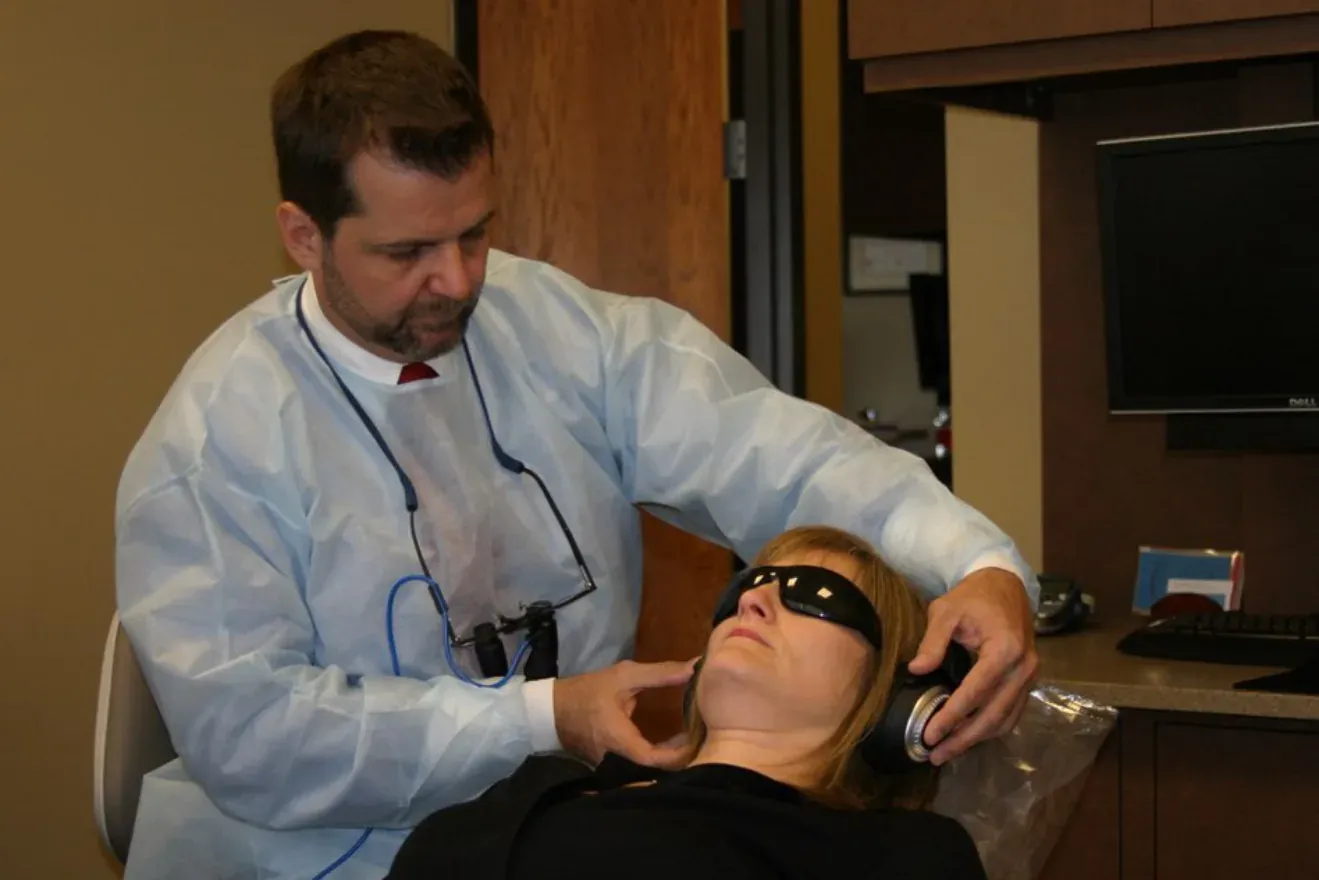
Dr. Denemark has been using NuCalm® in his practice since December 2009. The use of NuCalm® to relax his patients during surgery seems to have a positive influence on the healing schedules for his patients. These case studies illustrate how NuCalm® seems to accelerate patient healing. Note that Case Report 1 is a reference case for a patient who did not use NuCalm®.
Case Report 1– Patient without NuCalm®
A 28-year-old male was referred for extraction of no. 19 and immediate implant placement with bone grafting. His medical history revealed no abnormalities. Tooth no. 19 had significant decay and was not restorable. He had not had any adverse experiences in the past and was not particularly anxious about treatment. He is a tattoo artist and reports no fear of local anesthesia administration with needles. “For comparison purposes,” Dr. Denemark says, “I am using his case to demonstrate a typical case and healing result without the use of NuCalm®. Post-operative views at one week demonstrate what can be expected for a normal course of healing. Slight inflammation of the surgical site is evident by the presence of erythema, edema and slight hemorrhage.”
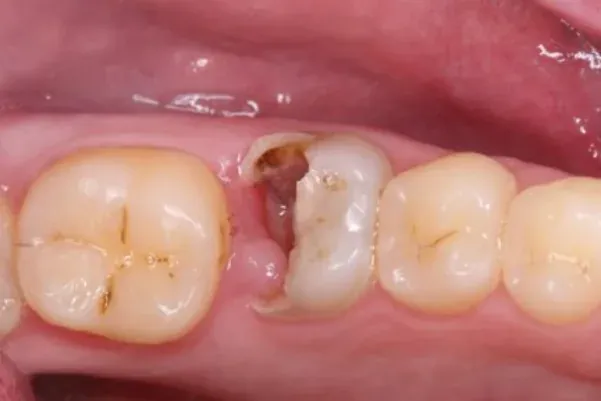
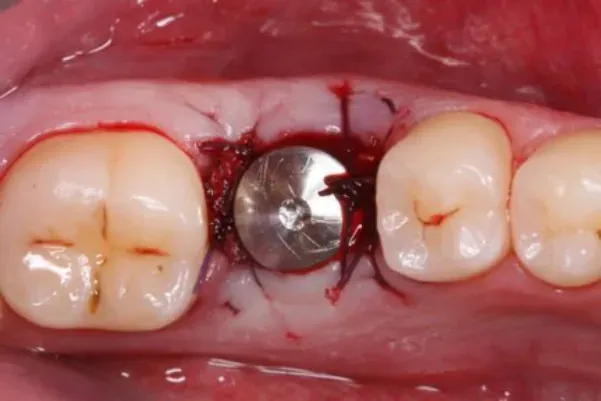
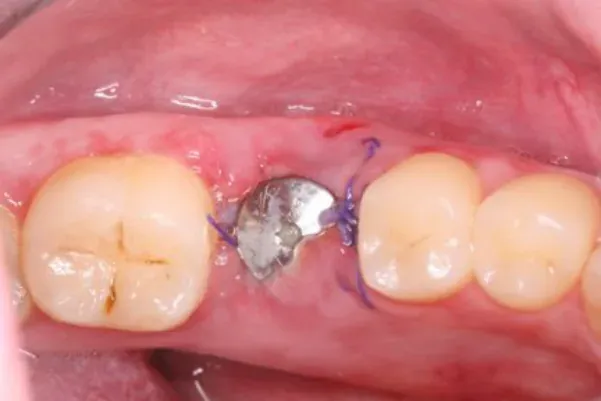
Case Report 2– Patient with NuCalm®
A 66-year-old female was referred to Dr. Denemark for extraction of tooth no. 30 that had a vertical mesial root fracture and fistula on the buccal attached gingiva. “She had an unremarkable medical history, but we noted an elevated systolic blood pressure at the beginning of the appointment, “Dr. Denemark says. “Her blood pressure was 149/72 mm Hg. My experience led me to believe she was experiencing typical ‘white coat’ anxiety and an elevation of her systolic blood pressure. She underwent the NuCalm® relaxation protocol and we performed extraction of no. 30 with immediate implant placement and bone grafting and placement of vicryl sutures to approximate the wound margins around the implant. During the surgery we noticed that bleeding was less than we would normally have expected for this procedure with a slightly elevated blood pressure. Her blood pressure measured at the conclusion of the surgery was 124/70. Again, I believe this reduction in blood pressure was due to the effect of NuCalm® in significantly reducing her dental anxiety. At one week we removed her remaining sutures and she demonstrated significant soft tissue healing and resolution of the fistula.”
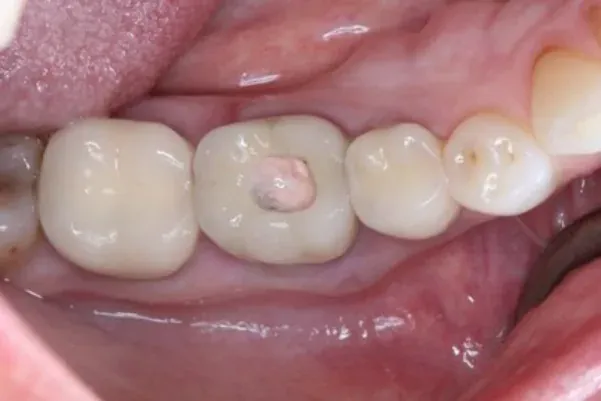
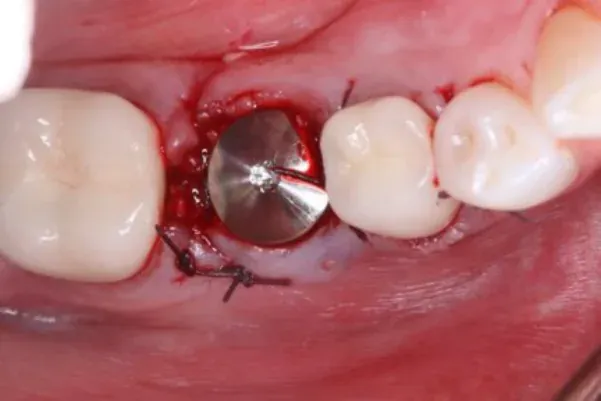
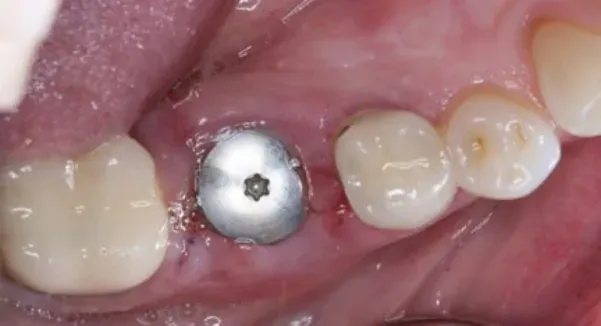
Case Report 3–Patient with NuCalm®
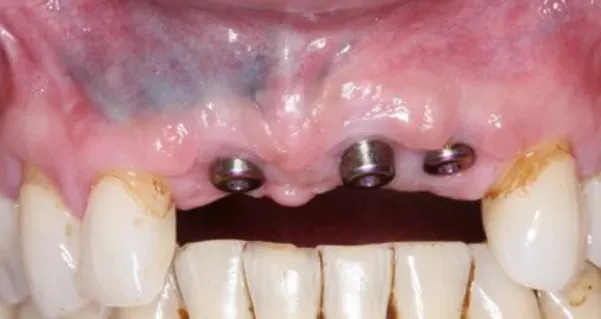
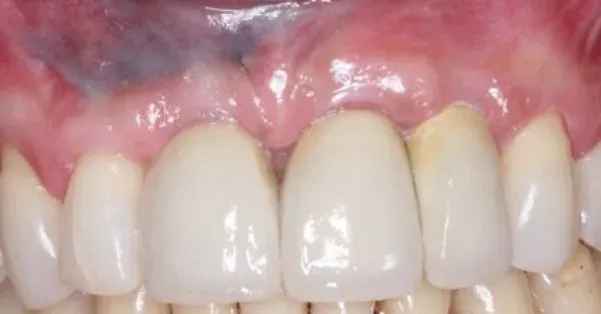
A 47-year-old female was treatment planned to have implants to replace hopeless tooth nos. 8,9, and 10 after orthodontic extrusion was completed. Tooth nos. 8 and 9 had a history of endodontic treatment including an apicoectomy for no. 8. Amalgam tattooing is present over the facial alveolar mucosa. She had a 30-year history of smoking a pack of cigarettes per day. She has had numerous traumatic dental experiences and has a tremendous amount of anxiety about future dental care. She was very anxious about intravenous sedation and given her decreased pulmonary function my decision was to utilize NuCalm® for her surgical treatment. Extraction of tooth nos. 8,9, and 10 was performed with immediate implant placement, xenographic bone grafting with resorbable barrier membranes and stainless steel fixation tacks. Suturing was performed with 4-0 vicryl to approximate wound margins. She was followed for four months prior to placement of final abutments and porcelain fused to metal restorations. “Her healing at 18 days post operatively showed the impressive healing response that I believe is due to the effects of NuCalm®,” Dr. Denemark says.
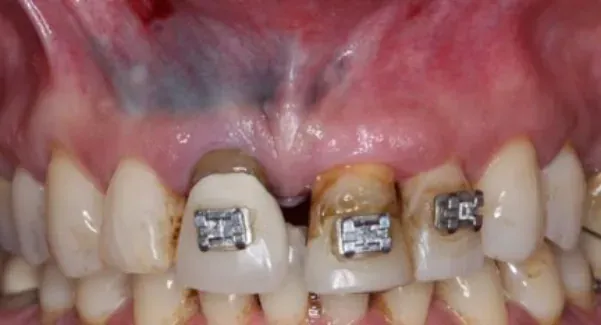
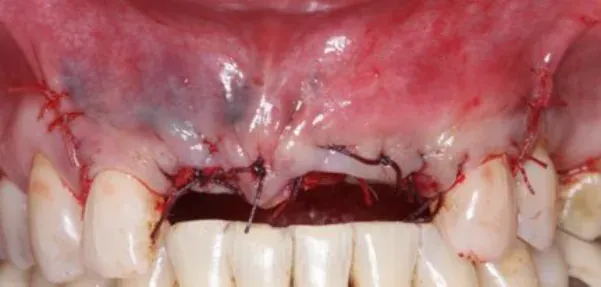
Case Report 4– Patient with NuCalm®
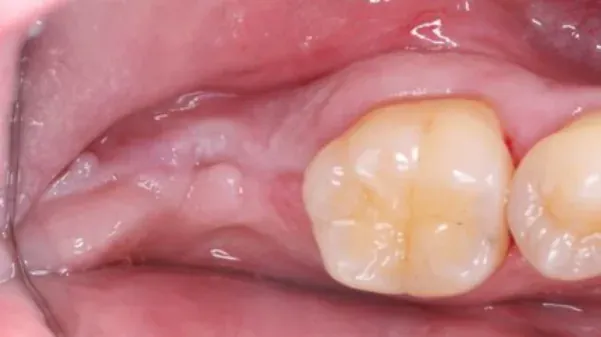
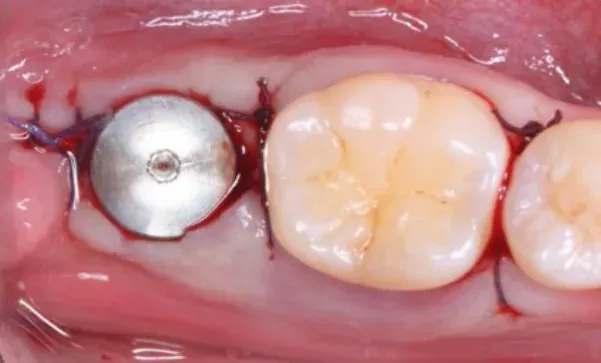
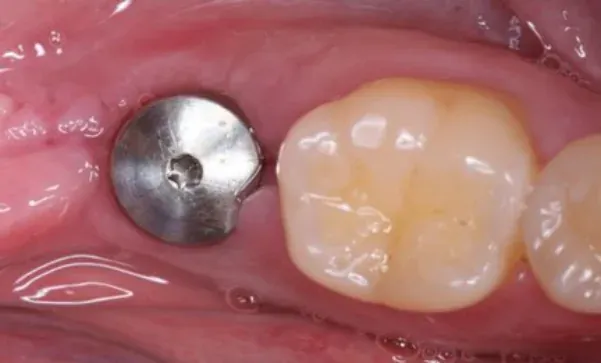
A 46-year-old male presented for implant placement in the no. 18 area. He previously had the tooth extracted and bone grafting with NuCalm®. The previous area healed well and the implant was placed and followed at one week. Clinically the result was excellent with minimal swelling, redness or bleeding.
Clinical Observations
Summing up his experiences using NuCalm® in his dental practice, Dr. Denemark says, “It has been my pleasure to see the beneficial results of NuCalm® for my patients. I am finding that healing is improving when I use NuCalm® during treatment. I am seeing decreased anxiety during the surgical phase of treatment that is helping with reduced bleeding and initial healing and extending post-operatively with reduction in pain and swelling. I have been able to reduce the need for “stronger” post-operative pain medications. Because NuCalm® is quick to implement I can decrease treatment time for the patient, decreasing the stressful event of surgery and feel assured they will have a better surgical experience. My experience with NuCalm® suggests that being able to relax my patients before and during surgery is resulting in a better rate of healing.”
REFERENCES
1 - Steed D, Trumpower C, Duffy D, Smith C, Marshall V, Rupp R, Robson M. Amnion-derived Cellular Cytokine Solution A Physiological Combination of Cytokines for Wound Healing. Eplasty. 2008; 8: e18.
2 - Barrientos S, Stojadinovic O, Golinko MS, Brem H, Tomic-Canic M. PERSPECTIVE ARTICLE: Growth Factors and Cytokines in Wound Healing. Wound Repair and Regeneration. September - October 2008; v16, Issue 5, 585–601
3 - The Oxford Illustrated Companion to Medicine. 2001; 417.
4 - Glaser R, Kiecolt-Glaser JK, Marucha P, MacCallum RC, Laskowski BF, Malarkey WB. Stress-Related Changes in Proinflammatory Cytokine Production in Wounds. Archives of General Psychiatry. v56, MAY 1999; 450-456
5 - Romo T. Wound Healing, Skin. http://emedicine.medscape.com/article/884594-overview
6 - McGraw-Hill Concise Encyclopedia of Bioscience. 2005; 252.
7 - The Oxford Illustrated Companion to Medicine. 2001; 506.
8 - McGraw-Hill Concise Encyclopedia of Bioscience. 2005; 253
9 - Broughton G 2nd. The Basic Science of Wound Healing. Plastic and Reconstructive Surgery. June 2006; 12S-34S
10 - Kiecolt-Glaser JK, Page GG, Marucha PT, MacCallum RC, Glaser R. Psychological Influences on Surgical Recovery: Perspectives from Psychoneuroimmunology. The American Journal of Psychology. 1998; 53:1209-1218
11 - Stamenkovic I. Extracellular Matrix Remodelling: The Role of Matrix Metalloproteinases. Journal of Pathology. 2003; 200(4): 448-464
12- Yang EV, Bane CM, MacCallum RC, et al. Stress-Related Modulation of Matrix Metalloproteinase Expression.Journal of Neuroimmunology. 2002;133(1-2):144-150.
13 - Black P. Stress and the Inflammatory Response: A Review of Neurogenic Inflammation. Brain, Behavior, and Immunity. December 2002; v16, Issue 6, 622-653.
14 - McGraw-Hill Concise Encyclopedia of Bioscience. 2005; 802.
15 - Ebrecht M, Hextall J, Kirtley LG, Taylor A, Dyson M, Weinman J. Perceived Stress and Cortisol Levels Predict Speed of Wound Healing in Healthy Male Adults. Psychoneuroendocrinology. July 2004; v29, Issue 6, 798-809
16 - Bosch J, Engeland C, Cacioppo J, Marucha P. Depressive Symptoms Predict Mucosal Wound Healing. Psychosomatic Medicine. 2007; 69:597–605.
17 - Glaser R, Kiecolt-Glaser JK, Marucha P, MacCallum RC, Laskowski BF, Malarkey WB. Stress-Related Changes in Proinflammatory Cytokine Production in Wounds. Archives of General Psychiatry. May 1999; v56, 450-456.
18 - Denemark P, Poole J. NuCalm® – Eliminating dental anxiety one pocket of fear at a time. Implant Practice U.S. 2010; v3, n5, 28-32.
19 - Ben-Zvi A, Vernon SD, Broderick G.Model-based therapeuticcorrection of hypothalamic-pituitary-adrenal axis dysfunction.PLOS Computational Biology. 2009.http://www.ploscompbiol.org/article/info:doi%2F10.1371%2Fjournal.pcbi.1000273