The Evolution and Efficacy of NuCalm®
Jay T. Wiles, Psy.D., brings NuCalm's research together in one paper: how the system works, and what the studies found on stress, sleep and well-being.

- Document
- Research overview
- Author
- Jay T. Wiles, Psy.D., BCB, BCB-HRV
- Date
- February 11, 2022
- Participants
- A summary across nine studies, including 698 voice-analysis participants and an observational study of over 13,000 surgical patients
- Measures
- Heart rate variability (HRV), EEG, Galvanic skin response (GSR), Surface EMG, State Trait Anxiety Index (STAI), Voice stress analysis
Key findings
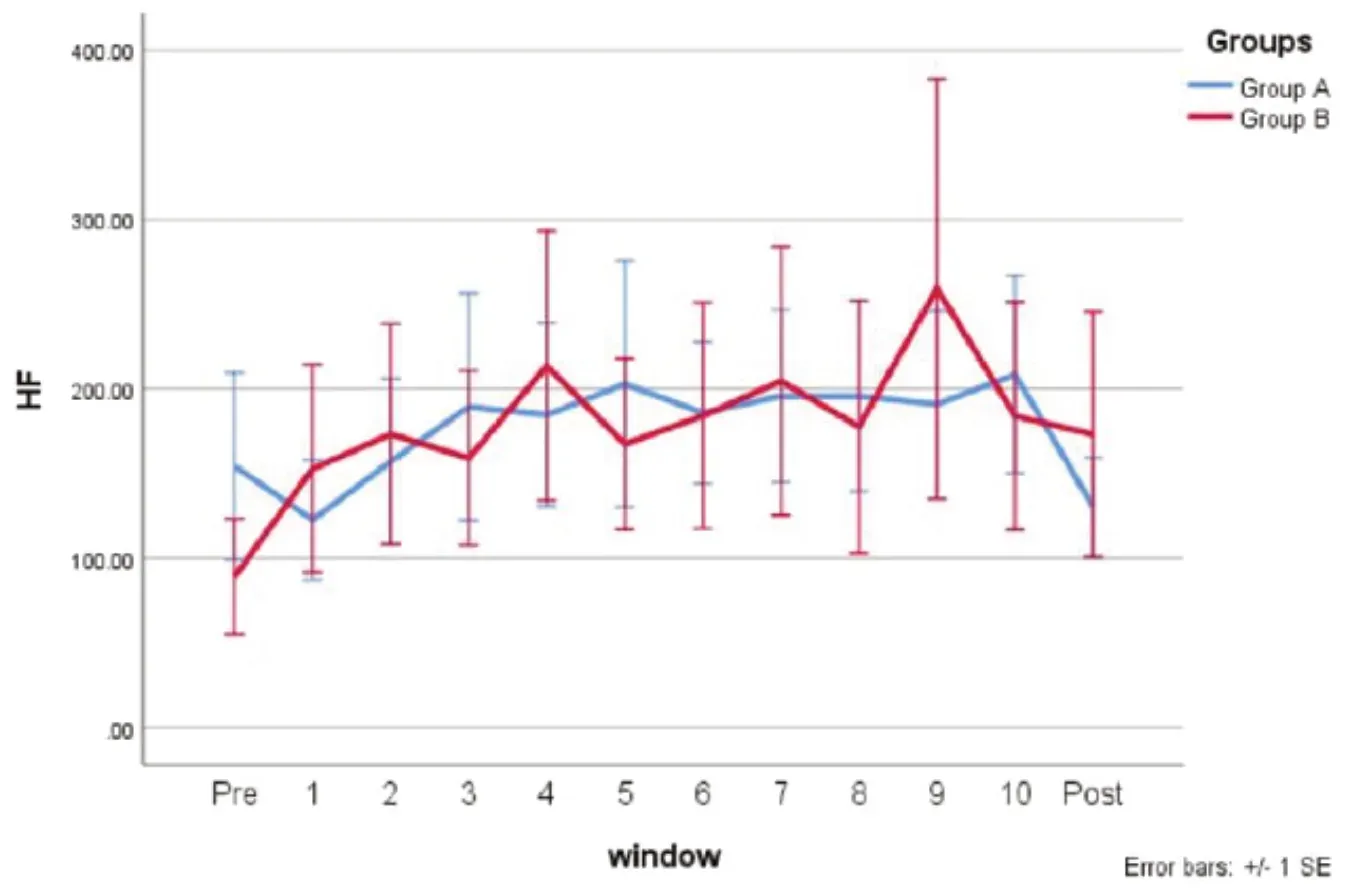
- Against a sham control, HF power returned to baseline in the control group after the session but stayed significantly above baseline in the NuCalm group, evidence of a carryover effect.
- In professional hockey players, VLF power fell 86.86% from baseline within 5 minutes of NuCalm use and 97.9% after 10 minutes.
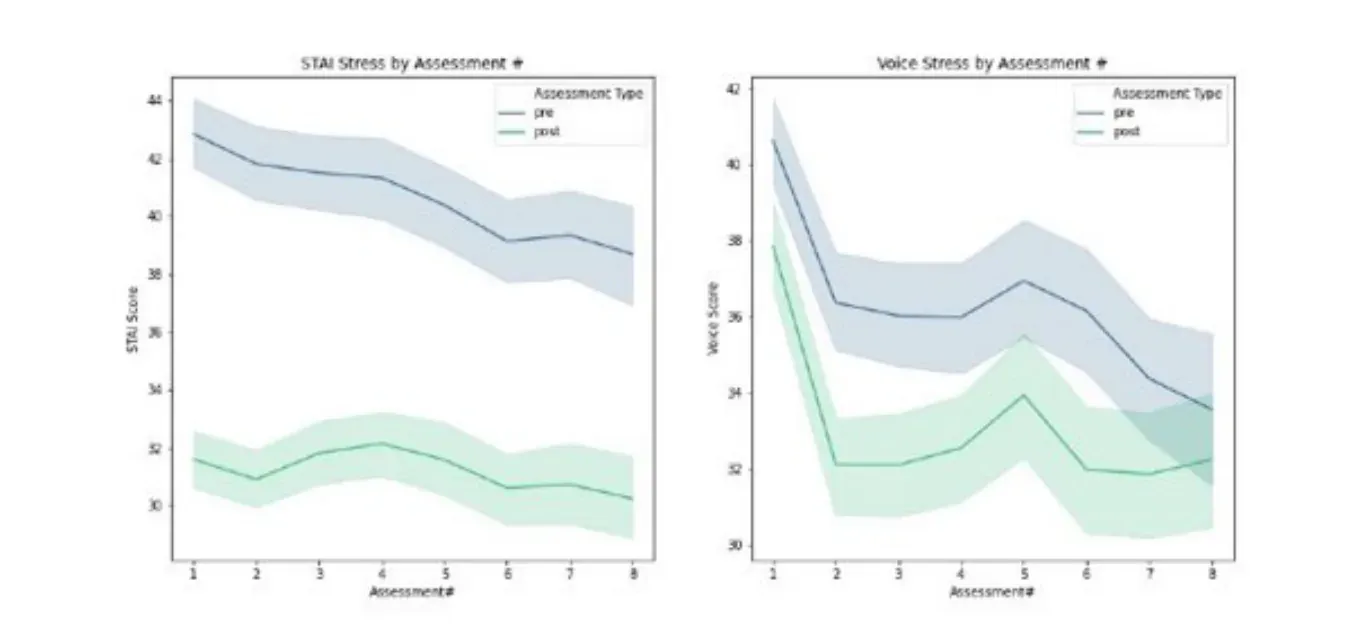
- Across 698 participants, STAI scores fell 26.3% from before to after a single session, and 21.9% across eight sessions, with voice stress analysis agreeing.
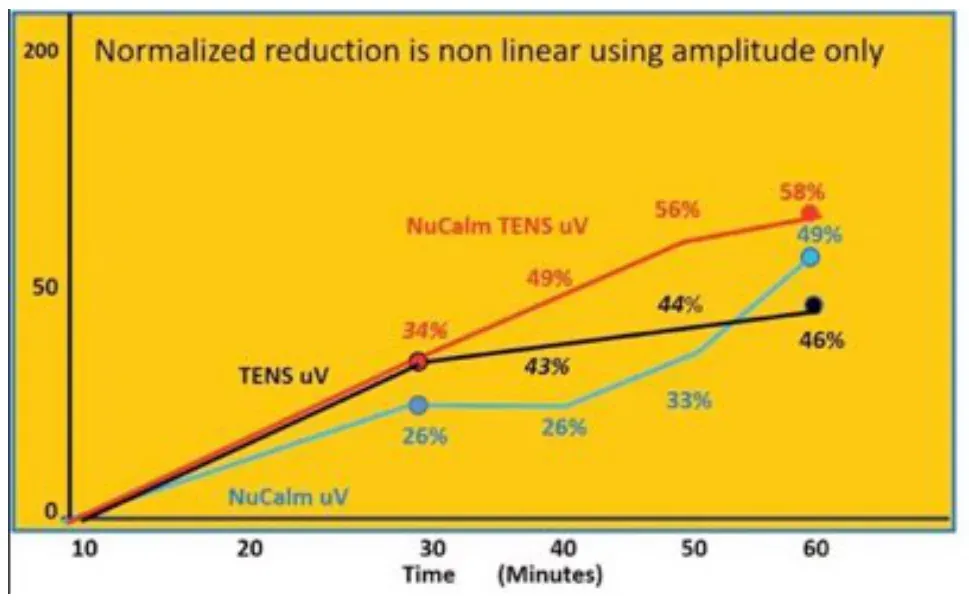
- In masseter EMG testing, NuCalm reduced muscle tension 49% at 60 minutes, TENS 44%, and the two combined 58%.
- In stage IV cancer patients, total power spectrum fell 16% within the first five minutes and 92% after 25 minutes.
®
The Evolution and Efficacy of NuCalm
Jay T. Wiles, Psy.D., BCB, BCB-HRV Keywords: stress, stress resiliency, heart rate variability, HRV, brain entrainment, resonance, neuroacoustics, psychophysiology, parasympathetic nervous system, autonomic nervous system, vagus nerve. Published online: February 11, 2022 The Author(s) 2022
Corresponding Author: Jay T. Wiles, Psy.D., BCB, BCB-HRV Thrive Wellness and Performance, LLC Greenville, SC 29607 United States Contact: contact@drjaywiles.com
®
Introduction to NuCalm
NuCalm® is the world’s only patented neuroscience technology that is clinically proven to resolve stress – without drugs. NuCalm induces parasympathetic nervous system dominance and suspends the body in a state of restoration and recovery. It consists of a simple to use three-part system:
- NuCalm biosignal processing disc
- NuCalm’s patented neuroacoustic software
- NuCalm eye mask
Over the course of the last two decades, NuCalm has been a leader in health technology by providing access to an all-natural, safe, reliable, and easy to use platform that allows users to change their mental state on demand, from the deepest moments of sleep to the highest feelings of focused intensity. When we say reliable, we are not speaking solely anecdotally. While our users have shared significantly impactful stories about how NuCalm has transformed their lives, we also have hard scientific evidence and clinical validation of the efficacy of this platform. The purpose of this paper is to highlight the findings of these studies that demonstrate the incredibly diverse effects that NuCalm has on human physiology, psychology, performance, and well-being.
Introduction to NuCalm: Mechanism of Action
NuCalm, as a system, is a two-factor approach to directly influencing the autonomic and central nervous system. This consists of the proprietary biosignaling processing disc and patented neuroacoustic software. Combined, these offer a clinically proven neuroscience technology that addresses the brain circuitry in the limbic system, the hypothalamus, and the brainstem, all responsible for activating the stress response. NuCalm works specifically on the body’s inhibitory system, the vagus nerve and the GABAergic system. NuCalm is comprised of three steps that work together to guide brain waves into alpha and theta (just above deep sleep) to create cellular restoration and parasympathetic nervous system dominance. Within moments, you will begin to feel relief from the ‘fight-or-flight’ sympathetic nervous system response and your stress hormone (cortisol) levels will begin to decline as the stress response (HPA axis) is inhibited. The NuCalm biosignal processing disc is a non-invasive and hypoallergenic adhesive coated paper containing a Lakhovsky multi-wave oscillator storing an electromagnetic formula that targets the parasympathetic nervous system. It is bioactivated by the body’s Gauss field when placed at the Pericardium 6 acupressure point on the inside of the left wrist. Once activated, it releases its specific electromagnetic frequencies targeting the parasympathetic system and counteracting cortisol and adrenaline. The biosignal processing disc acts as the catalyst for NuCalm’s stress intervention process. The NuCalm neuroacoustic software presents varying frequencies, which are embedded within instrumental music and soundscapes, in a nonlinear and binaural fashion to the brain to create auditory evoked potentials in the alpha (~8-12Hz) or theta (~4-8Hz) brain wave range and sustain them over a long period of time. NuCalm’s patented software oscillates brain wave function between deep relaxation and recovery and guides the brain to alpha and theta zones, the point of deep relaxation and recovery. Finally, the light-blocking eye mask helps to eliminate visual stimuli and maintain a deep state of relaxation. Light-blocking also contributes to evoking alpha brain wave activity. As this non-invasive and effective neurotechnology brings the body into the parasympathetic state, it balances the autonomic nervous system. It creates a biomimetic effect within the body that takes place directly at the hypothalamic-pituitary adrenal (HPA) axis to interrupt acute stress and relax the body. While in a parasympathetic state, the body is recovering and NuCalm not only eliminates acute stress, but also resolves chronic stress and helps build stress resilience. NuCalm’s technology has been reliably used in over 2 million clinical procedures to manage patients’ stress responses. NuCalm has also helped thousands of individuals manage their stress whether it be from everyday nuisances or possibly chronic traumatic stresses.
Overview of NuCalm Research and Efficacy
Anything that users report aids in modifying their subjective experience of stress, improves sleep, and optimizes performance is worth exploring experimentally. Our mission is to ensure that we can quantify the report of these experiences with evidence that stands-up to scientific rigor and review. As such, the following section will highlight the key findings from specific studies that examine the efficacy of NuCalm as a means of reducing stress, anxiety, depression, and enhancing well-being.
NuCalm and Stress/Anxiety Reduction
Robinson, E. & Ma, L. (2020)
Heart rate variability (HRV) is identified as the best noninvasive proxy for assessing nervous system functioning and the human stress response. Indeed, it is the predominant biometric that is utilized to determine the efficacy of strategies and therapeutics intended to modulate the autonomic nervous system, resulting in enhanced resiliency and adaptation to stress and anxiety. In this study, NuCalm was tested against a sham model of therapy to determine if the patented NuCalm neuroacoustic software and the proprietary biosignaling processing disc holds distinct advantages in modulating nervous system functioning over conventional relaxation. The expected results/hypothesis was that NuCalm would provide enhanced resiliency to stress and anxiety via significant changes in HRV metrics, when compared to sham therapy (control condition). Participants were randomly selected to one of two conditions. The experimental condition consisted of utilization of the complete NuCalm system, a combination of neuroacoustic software, an eye mask, and use of the proprietary biosignaling processing discs. The sham condition (control) consisted of utilization of the NuCalm integrated music without the brain entraining, neuroacoustics, an eye mask, and a sham (empty) disc to wear on the left wrist. Demographics noted below:
Table 1. Demographics
| Group A (n=12) | Group B (n=11) | p | |
|---|---|---|---|
| Age | 38.0 ± 14.9 | 32.9 ± 10.5 | 0.359 |
| BMI | 24.9 ± 3.1 | 23.6 ± 5.7 | 0.498 |
| Gender | 0.999 | ||
| Female (%) | 3 (25.0%) | 2 (18.2%) | |
| Male (%) | 9 (75.0%) | 9 (81.8%) | |
| Race | 0.221 | ||
| White/Caucasian | 7 (58.3%) | 9 (81.8%) | |
| Other* | 5 (41.7%) | 2 (18.2%) | |
| Employment Status | 0.142 | ||
| Employed | 7 (58.3%) | 3 (27.3%) | |
| Unemployed | 4 (33.3%) | 8 (72.7%) | |
| Retired | 1 (8.3%) | 0 (0) | |
| Marital Status | 0.925 | ||
| Single/Dating | 7 (58.3%) | 7 (63.6%) | |
| Married | 3 (25.0%) | 2 (18.2%) | |
| Seperated/Divorsed/Widow | 2 (16.7%) | 2 (18.2%) |
* Category of other includes Asian, Hispanic, Indian, African American, Alaskan Native, Irish/Mexican.
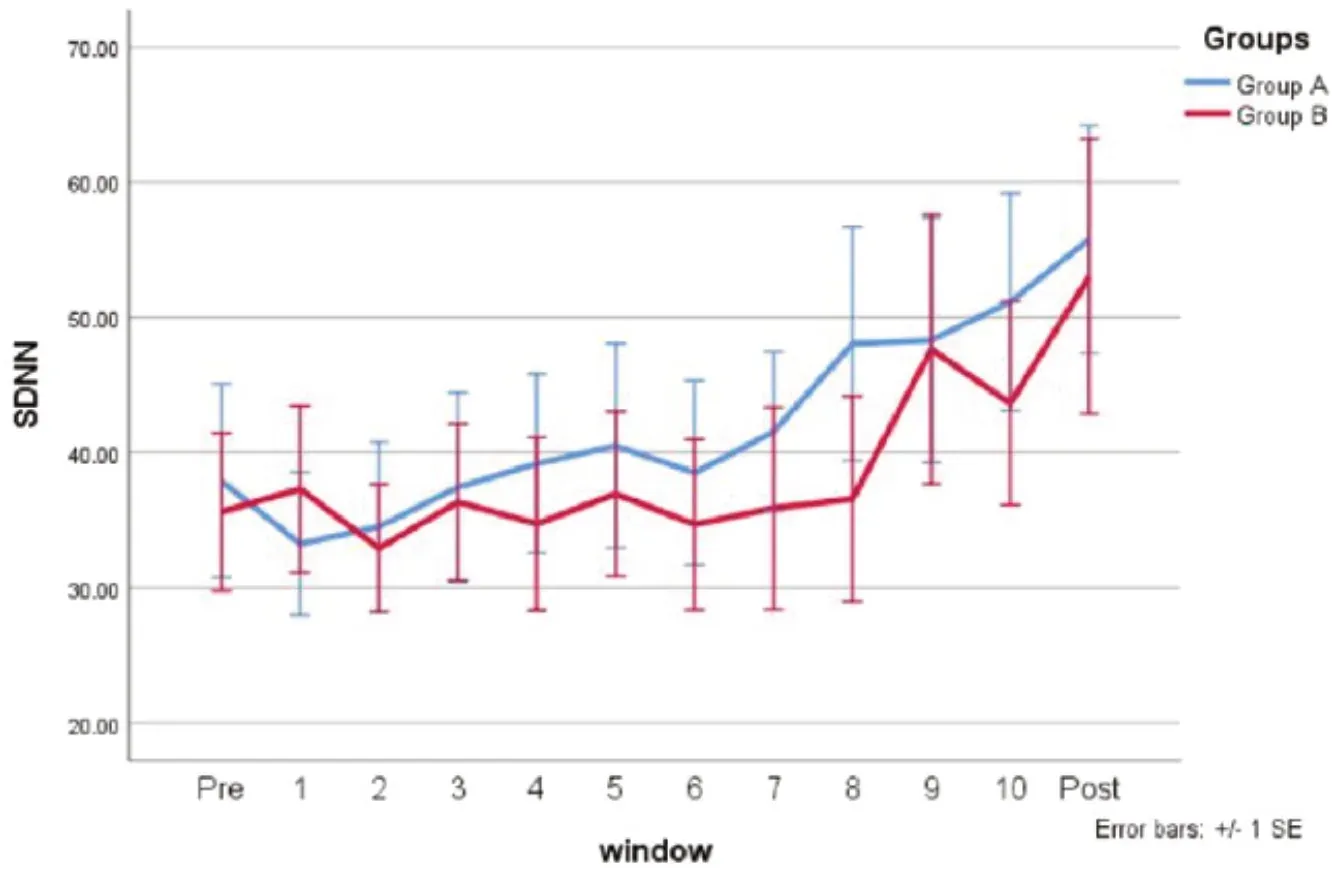
The first variable observed between both groups was mean heart rate. Both groups saw a reduction in overall mean heart rate, as expected. Given both conditions that consisted of lying down and playing relaxing music, it was predicted that both groups would experience a lowered heart rate. The high-frequency domain (HRV) is a direct measurement of parasympathetic output. Indeed, when HF increases, this is indicative of more vagal modulation. Vagal modulation is associated with enhancing activity of the vagus nerve (10th cranial nerve), which is responsible for enhancing the relaxation response in the subjective reduction of stress. In both groups, there was a significant increase in overall HF power; however, after the completion of the NuCalm journey, the HF power of the control group reduced back to baseline power and the HF power of the NuCalm user group remained significantly higher than baseline. This provides evidence that there is a large carryover effect of parasympathetic activity that is only observed when all properties of the patented, fully integrated NuCalm system group are present (i.e., neuroacoustics; biosignaling processing disc). While engaging in a relaxation exercise, such as listening to soothing music while lying in a supine position, may enhance parasympathetic activity in the moment, there is not substantial evidence that this effect continues after the exercise is completed. On the other hand, there is evidence from this study that while engaging in a NuCalm session, there is significant increase in parasympathetic activity accompanied by continued parasympathetic output long after the session has ended. The chart below provides another example of the substantial increases in parasympathetic activity both during and after a NuCalm journey. In comparison to the control group, NuCalm users experienced significantly higher percentage changes of power output in the HF domain, both during the session and after. Both groups were observed having substantial increases in SDNN, a predominant metric of HRV that measures the changes in time deviations. This is to be expected with both groups; however, in conjunction with the aforementioned HF power data observations, it can be concluded that NuCalm is significantly influencing the parasympathetic nervous system branch of the autonomic nervous system more so than within the control group.
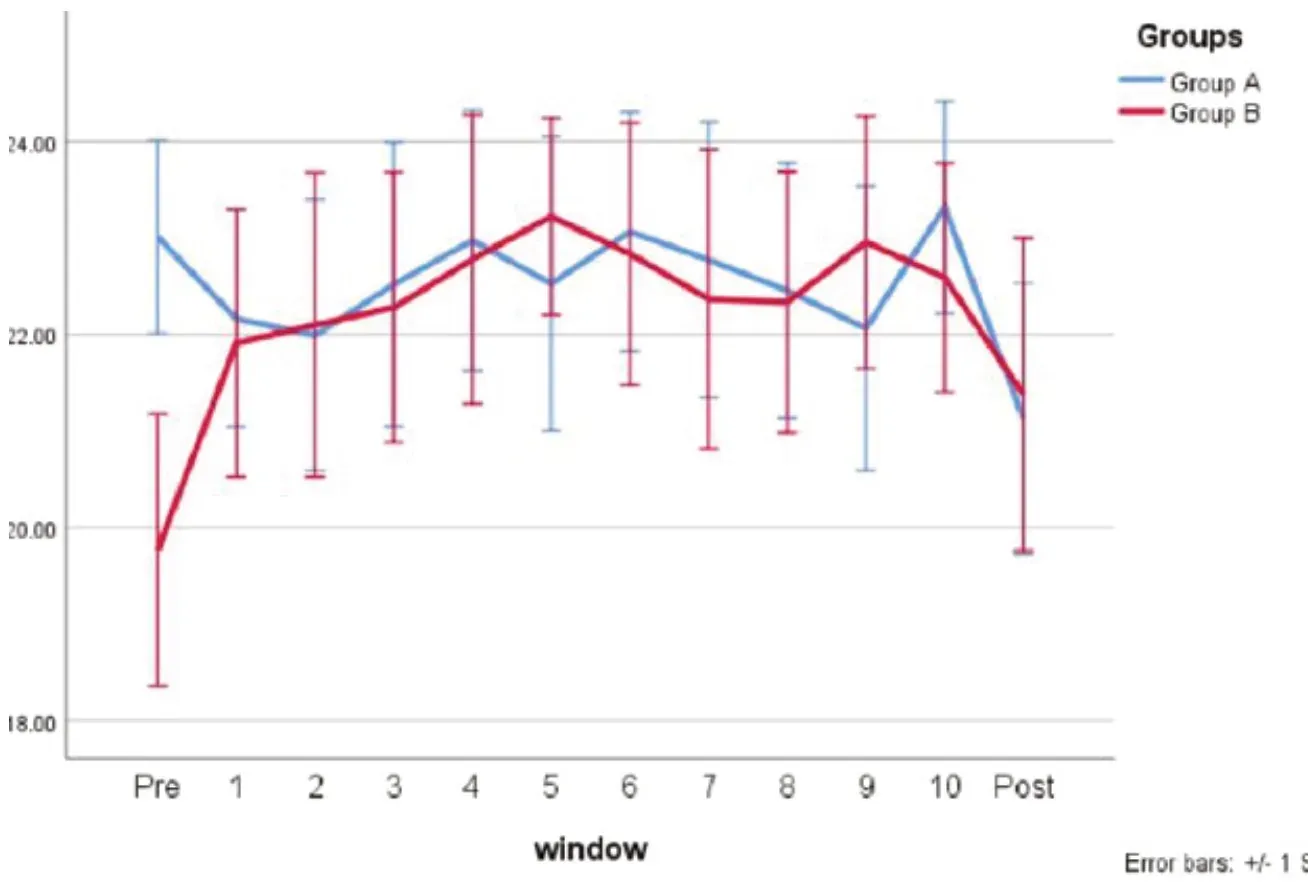
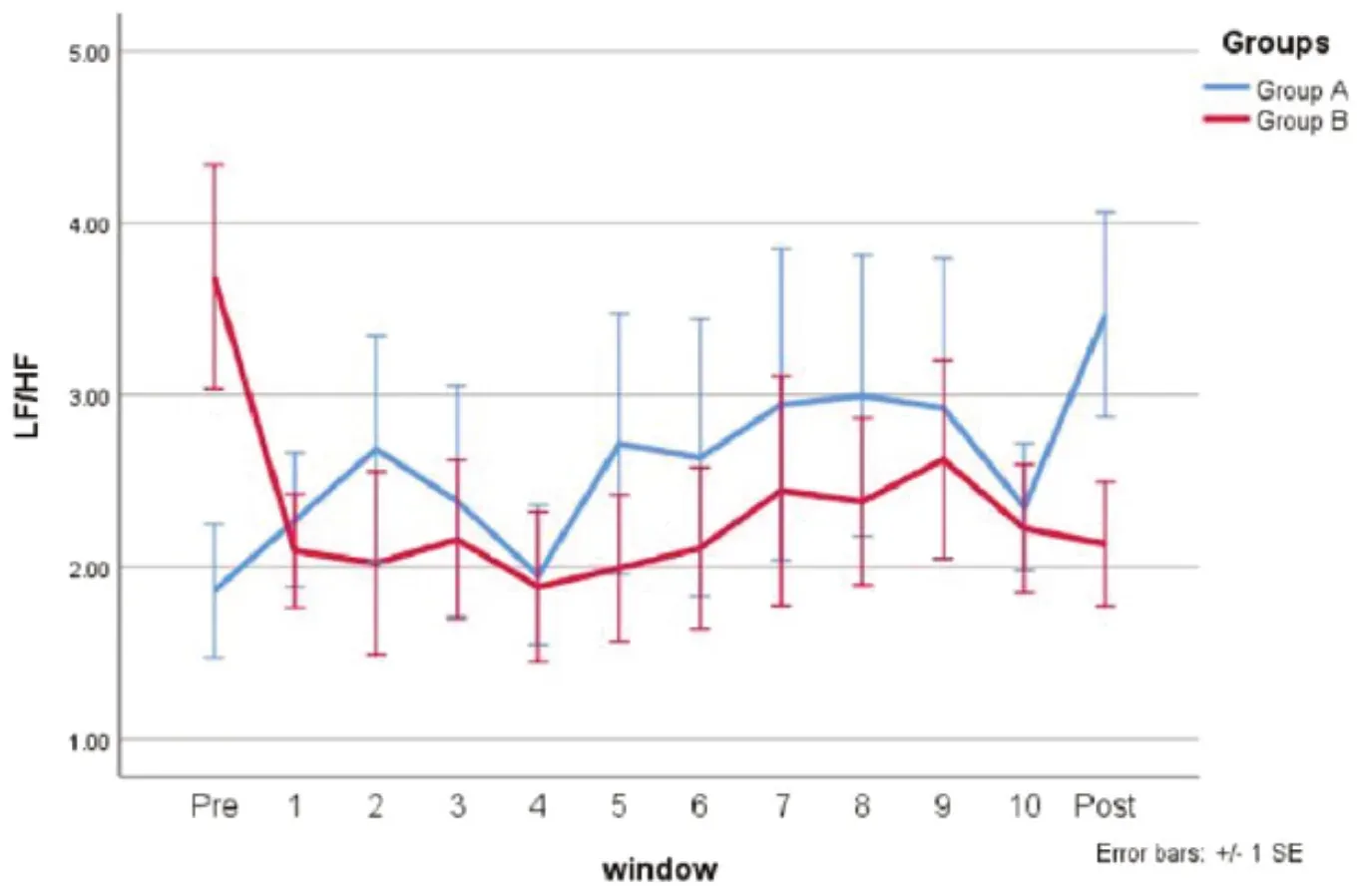
Lastly, there were notable changes in the LF/HF ratio metric, which provides some evidence of autonomic nervous system change in both the sympathetic and parasympathetic branches. The NuCalm group showed the most significant changes in the LF/HF ratio from pre-post journeys. For the control group, the LF/HF ratio was not significantly reduced and was actually seen higher in comparison to baseline at the end of the journey; whereas, there was another level of evidence of carryover affect in residual outcomes amongst the NuCalm group when comparing their pre-baseline to post-baseline readings. The conclusion of this study is that while relaxation techniques, such as using soothing music, can help with enhancing parasympathetic activity and reduce stress, they do not have significant carryover effect when compared to the full NuCalm system usage that integrates patented neuroacoustics and bioresonance. NuCalm quickly enhances vagal activity, resulting in fast, acute shifts in the human stress response. NuCalm also, when compared to relaxation techniques, will result in changes that persist after the user has ended their formal NuCalm journey. This represents longer and more sustained nervous system change and better adaptations to stress.
NuCalm and Depression/Anxiety
Conte, S., Casciaro, F., Wang, F., Altamura, M., Bellomo, A., Serafini, G., Orsucci, F., Kaleagasioglu, F., Mendolicchio, L., Norman, R., & Conte, E. (2018)
Published in the Annals of Depression and Anxiety
In 2018, Conte et al., evaluated the efficacy of NuCalm on 100 participants with anxiety and depression. The focus of this study was to assesses whether the application of combined transcutaneous vagal nerve stimulation (tVNS) and brain wave entrainment (i.e., the NuCalm system) would result in enhanced neural functioning and autonomic nervous system (ANS) resiliency in this population. The application of tVNS plus brain entrainment is expected to rapidly reduce the sympathetic activity and increase the parasympathetic activity. In this study, analysis of the system by a complete poligraphy consisting of HR, GSR and EEG demonstrated that a combined stimulus of supplement cream + tVNS + brain entrainment and light blocking was able to produce a dominant parasympathetic state mixed to a drastic reduction of sympathetic activity in cases of depression, anxiety and stress. Of particular note, it was found that participants’ galvanic skin response (GSR), a measure of sympathetic activity, was significantly reduced. This was evidenced by a 36% decrease in GSR. During NuCalm, participants experienced significant increases in delta, theta, and alpha values, indicative of enhanced flow state and parasympathetic output. Heart Rate Variability (HRV) change values were also examined. Modulation and changes in frequency domains were observed, including a significant reduction in LF Power, indicative of reduced sympathetic activity and enhanced parasympathetic output. There were also significant reductions in LF/HF power ratios, which has been demonstrated to have some evidence of parasympathetic enhancement, leading to a more adaptive relaxation response.
NuCalm on Advanced HRV Metrics
Conte, S., Casciaro, F., Wang, F., Altamura, M., Bellomo, A., Serafini, G., Orsucci, F., Kaleagasioglu, F., Mendolicchio, L., Norman, R., & Conte, E. (2018)
Published in the Annals of Depression and Anxiety
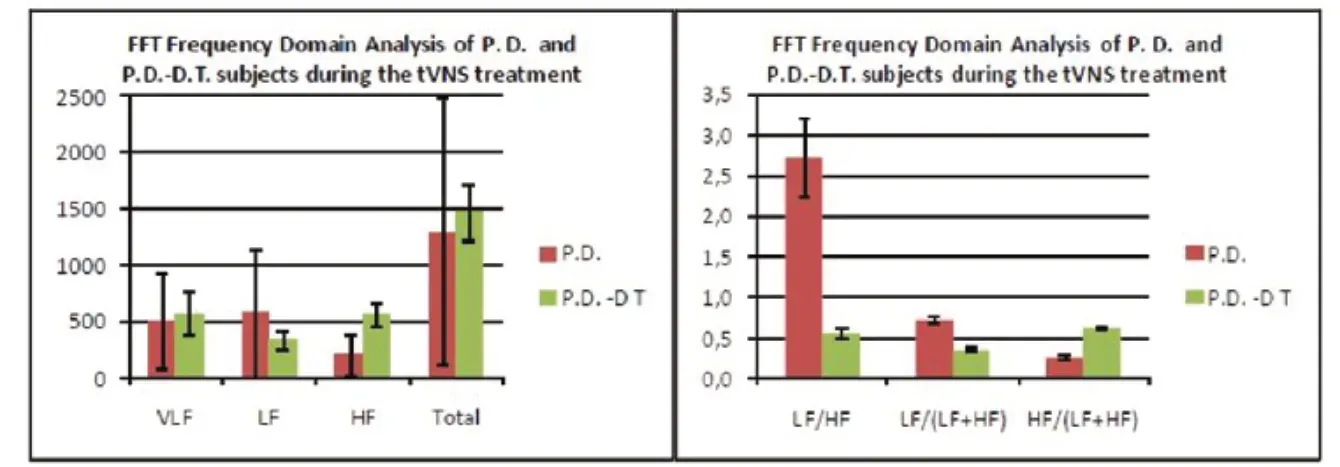
In 2018, Conte et al., evaluated the efficacy of NuCalm on 50 subjects with ANS dysfunction and 50 subjects who were considered “healthy.” The aim of the study was to assess nervous system changes, as manifested in heart rate variability (HRV), during a NuCalm journey as a method of stress resiliency and adaptation. The experiments were arranged in three phases: recording the data before, during, and after a 30-minute NuCalm journey. The analysis of the data was performed by examining frequency domain HRV, evaluating VLF, the LF, and the HF—all measures of ANS modulation and the human stress response. It was noted that individuals that had been previously diagnosed with a psychological disorder had baseline metrics associated with higher sympathetic output. In other words, as expected, those with diagnosed psychological disorders, such as anxiety and depression, have a higher measurable output of the fight-or-flight response, as evidenced by enhanced LF/HF ratio and higher baseline LF power (see chart below).
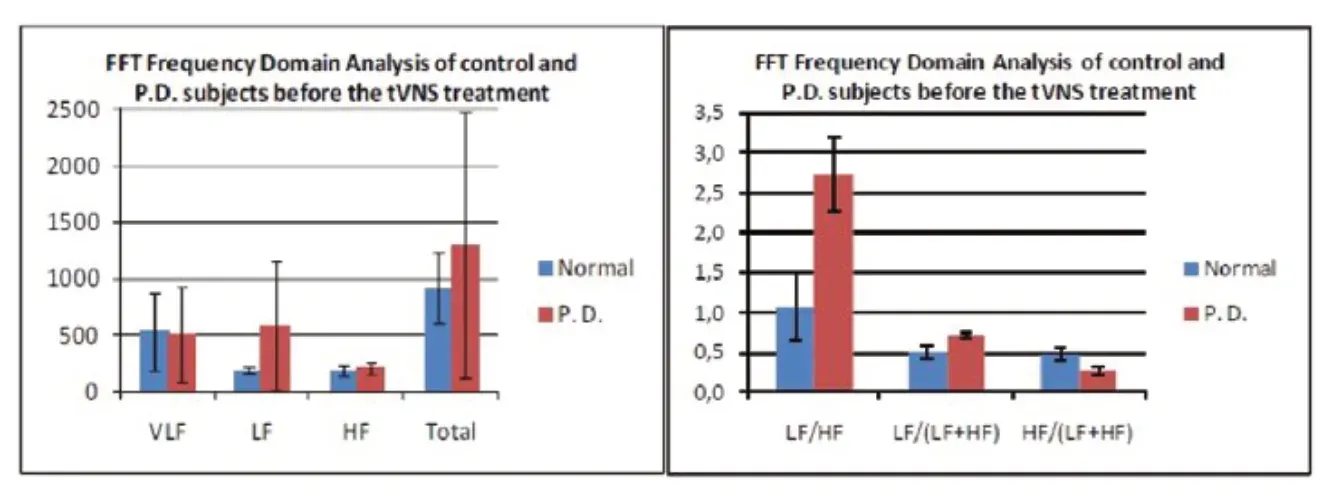
Multiple analyses were run to determine whether there were significant changes in HRV metrics when comparing participants’ scores before, during, and after NuCalm journeys. Results indicated numerous significant changes in advanced HRV metrics when comparing the “normal” subjects to those with psychological disorders, both during and after NuCalm use. It is also noted that both groups experienced significant reductions in total LF power, LF/HF ratios, and enhanced HF power. All these noted changes are indicative of increases in parasympathetic activation and decreases in sympathetic output. As seen in Figure 2 below, the most notable change during treatment for those diagnosed with psychological disorders was a significant reduction in LF power and an increase in HF power. This provides strong evidence that during a NuCalm journey, there is a significant shift in the autonomic nervous system with the activation of the parasympathetic nervous system and a reduction of sympathetic output.
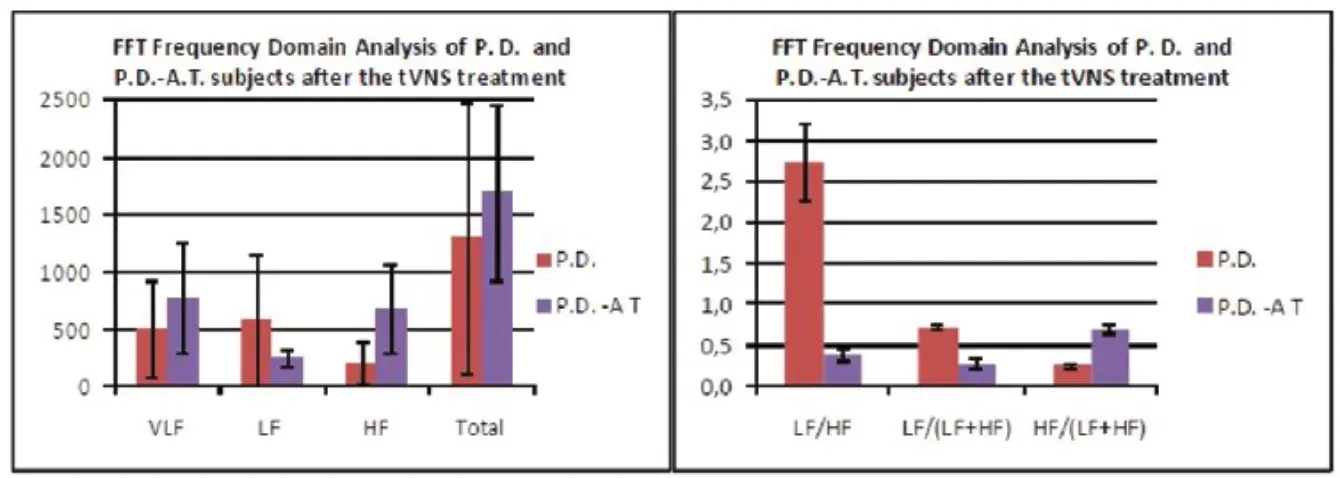
The most significant finding of this study, which is consistent with other studies that have been performed, is that there is a large carryover and residual effect after a NuCalm journey. Indeed, as seen in Figure 3 below, HF power almost tripled in density from its baseline, which indicates significant activation of the parasympathetic nervous system after the NuCalm journey was completed.
The findings of this study are quite significant, as it demonstrates vast changes in nervous system functioning both during and after treatment. This is direct evidence of transient/acute nervous system resiliency to stress, accompanied by a significant carryover and residual effect. While both groups experienced significant changes in autonomic nervous system functioning, it is noted that NuCalm appears to be even more effective and valuable with those who have been diagnosed with a clinical psychological disorder. It stands to reason that individuals who have a more overactive and chronically stimulated sympathetic nervous system would see more movement in ANS activity (i.e., evidenced by HRV metrics) during and post-treatment than those who are not reporting significant stress experience.
NuCalm on Parasympathetic Flow and Vagal Modulation
Peng, C.K. & Liu, Y. (2018)
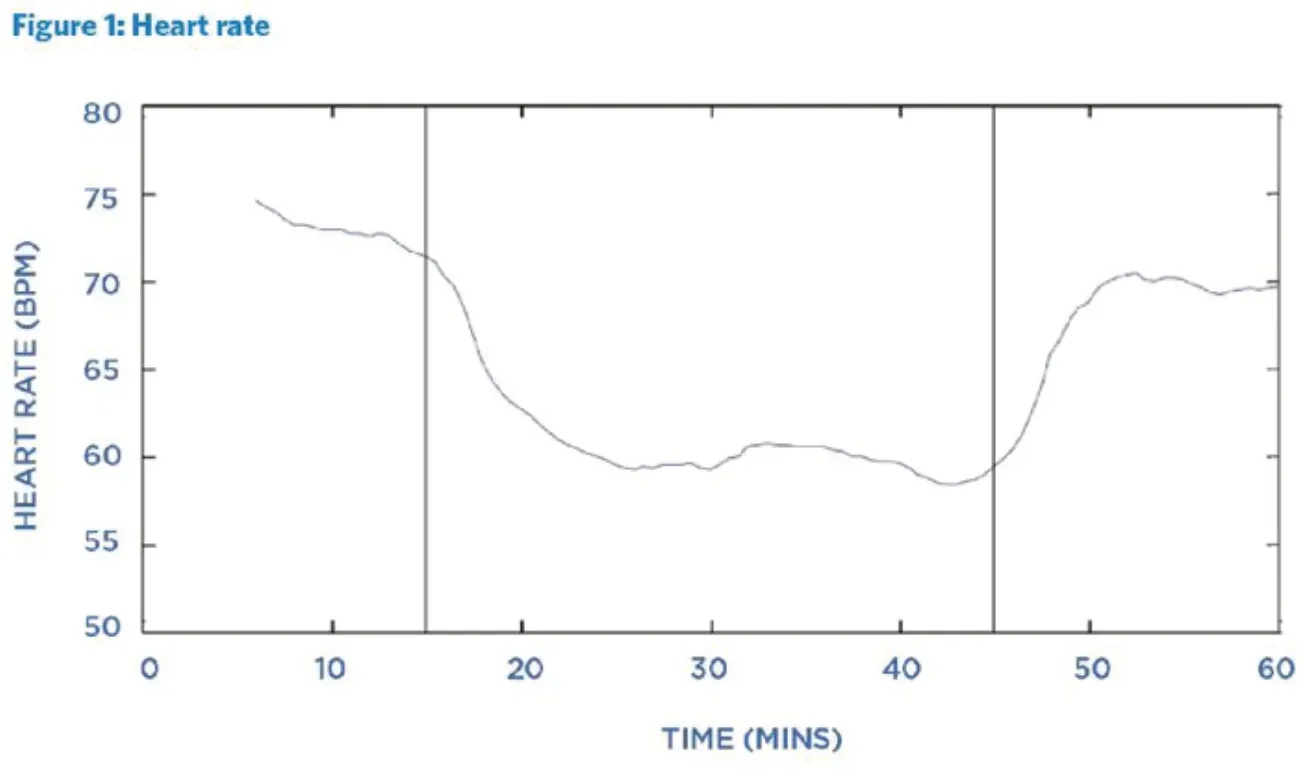
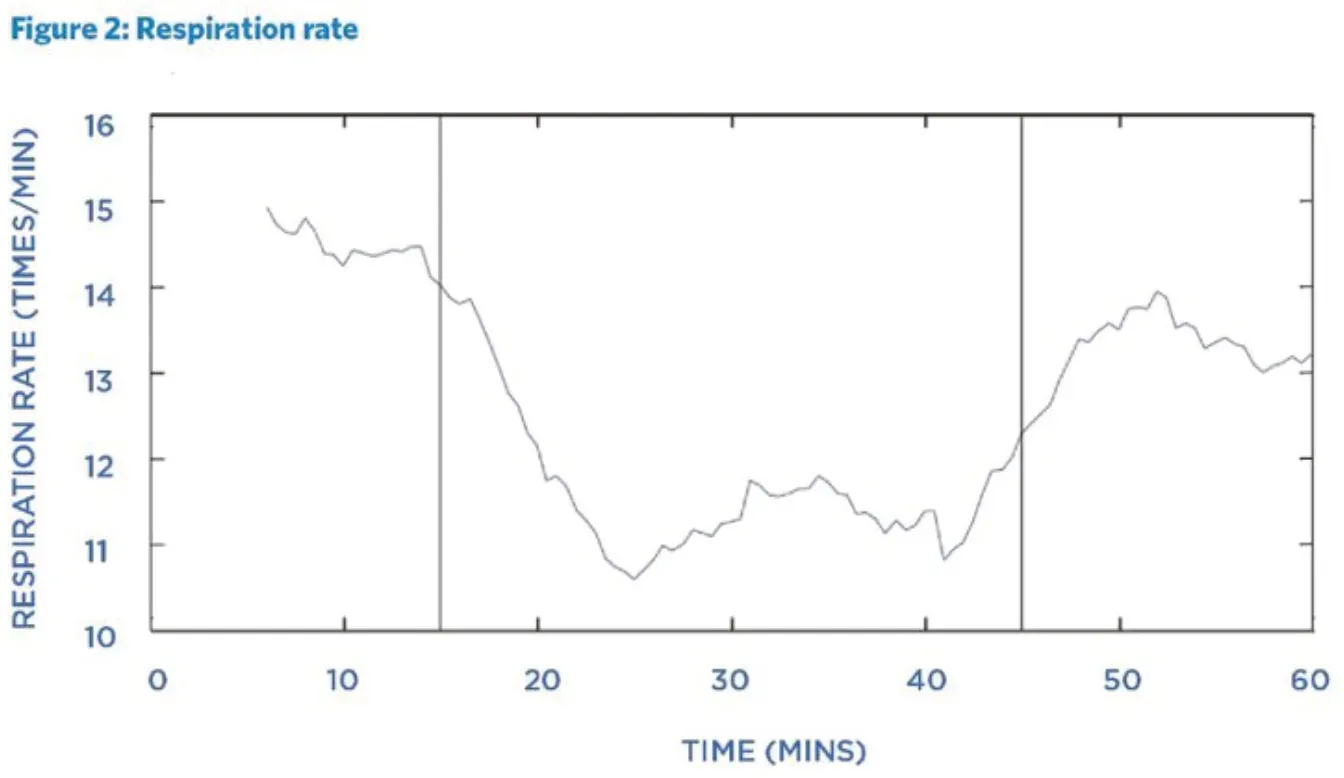
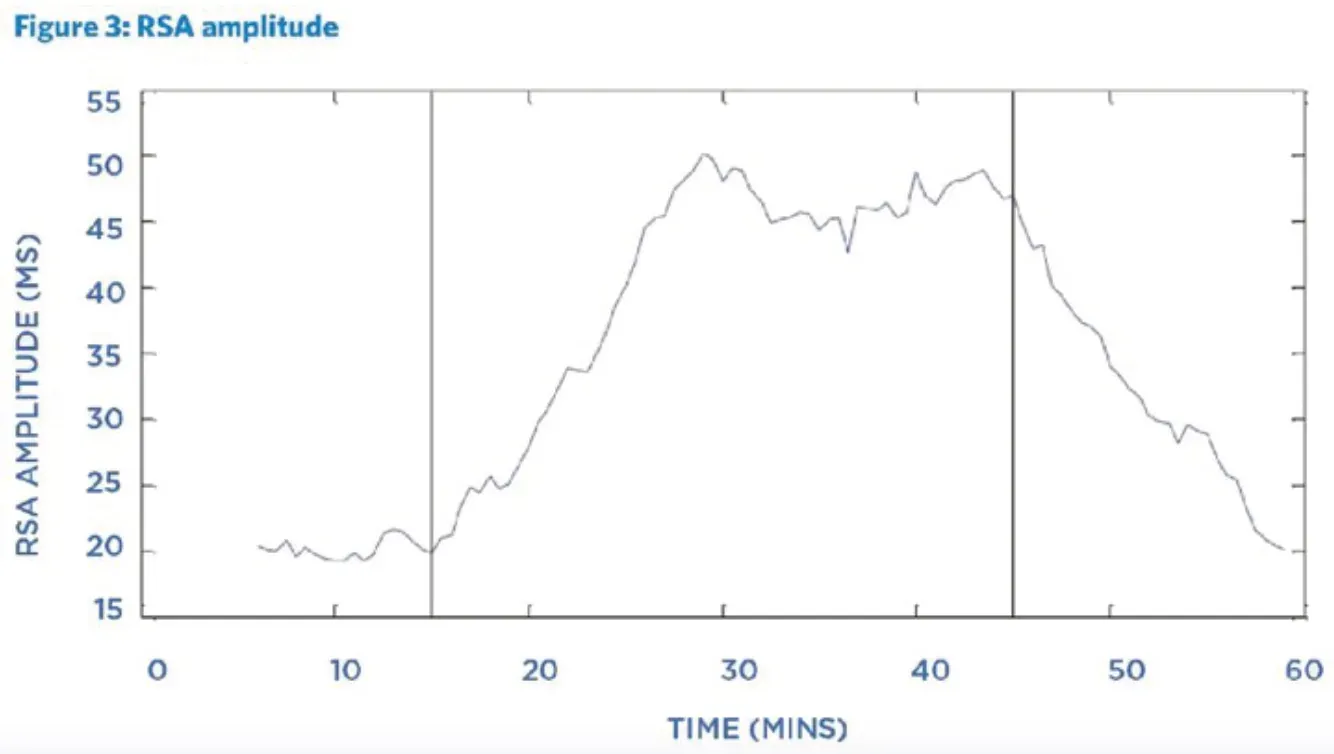
Dr. C. K. Peng is one of the world’s preeminent experts on Heart Rate Variability (HRV). His research has been cited 58,503 times in medical journals. Dr. Peng is the Co-Director of the Rey Institute for Nonlinear Dynamics in Medicine at the Beth Israel Deaconess Medical Center and Associate Professor of Medicine at Harvard Medical School. Dr. Peng and his colleagues have defined a proven method to identify stages of sleep, including breath-disturbed sleep, using a single channel ECG-based spectrogram and an algorithm developed by Dr. Norden Huang. The Hilbert-Huang Transform (HHT) algorithm was developed for NASA and is used to decompose a signal into intrinsic mode functions to obtain instantaneous frequency data. In 2014, Dr. Peng evaluated nervous system changes, predominantly enhanced parasympathetic activity (i.e., relaxation response), over the course of a 30-minute NuCalm journey. The key variables of study were heart rate (HR), respiration rate, and respiratory sinus arrhythmia (RSA). While all of these metrics are mediated by the autonomic nervous system, RSA is considered the largest influencer of heart rate variability (HRV). Dr. Peng found that users experienced a signi icant decrease in heart rate (see Figure 1 below), decrease in respiration rate (see Figure 2 below), and significant enhancement in respiratory sinus arrhythmia (RSA; Figure 3 below) during the 30-minute NuCalm journey. Not only did these users experience significant parasympathetic output, but the results of these changes had a large carry-over effect. This is evidence that NuCalm does not simply affect the autonomic nervous system during treatment, but has significant residual carry-over that manifests in longer term homeostatic change of the autonomic nervous system. In other words, the NuCalm journey is effective in creating a transient and acute enhancement of stress resiliency, but also results in a chronic and more long-standing adaptation to stress. It was concluded by Dr. Peng that these exhibited changes were indicative of an increase in vagal tonality.
NuCalm and Sports Performance
NuCalm is currently being used by professional athletes on 52 U.S. based sports teams and by professional golfers, tennis players, boxers, and MMA fighters. The athletes use NuCalm to manage stress, which in turn, improves muscle recovery, healing, and sleep quality. We collected data on several Chicago Blackhawks players over an 8-week period during the 2015 regular season. Solace Lifesciences collected data points using the single lead ECG device to measure the physiological impact of NuCalm. The research protocol follows:
- Apply the single lead ECG to the subject’s chest.
- Allow the subject to sit comfortably for a 15-minute baseline assessment to capture their current stress level and autonomic nervous system balance.
- Apply the NuCalm system and allow the subject to experience NuCalm for as long as they need, with a minimum of 30 minutes. Subjects experience NuCalm in a comfortable chair with a blanket.
- Once the NuCalm experience is over, the subject removes the NuCalm system, as well as the single lead ECG device.
Data were examined to determine if NuCalm could aid professional athletes in balancing nervous system functioning, manifesting in better recovery and sports performance. Numerous HRV biometrics were collected and examined. Results indicated that within 5 minutes of NuCalm use, players experienced significant reduction in alpha sympathetic output, as evidenced by significant decreases in very low frequency (VLF) domain output. Very low frequency HRV is a frequency-domain measurement of alpha sympathetic activity. Reductions in this metric are indicative of reduced sympathetic (flight-or-fight) output. From baseline to 5 minutes, there was an evidenced decrease in VLF power of 86.86%. After 10 minutes of NuCalm use, VLF was reduced by 97.9%. Numerous key observations were made in examining data with professional athletes:
- NuCalm predictably and quickly “flips the switch” from high cortisol and adrenaline to deep relaxation. This allows the body to activate the brain-heart-lung connection to optimize diaphragmatic breathing, oxygen rich red-blood cell flow, optimal healing, and muscle recovery.
- NuCalm provides deep relaxation throughout the body, minimizing the negative consequences of lactic acid build up and, most importantly, reduces inflammation and cytokine storms, resulting in an accelerated rate of healing.
- During the regular season, and especially during the playoffs, athletes travel across multiple time zones, which impairs performance. NuCalm provides the neurophysiology and biochemistry necessary for improving sleep and managing circadian rhythm dysfunction. By restoring autonomic nervous system balance, NuCalm rapidly and predictably restores the body’s natural rhythms, allowing athletes to perform at their best.
The professional athletes reported numerous improvements in performance and well-being, including:
- Improved healing and muscle recovery
- More efficient removal of lactic acid; “felt loose and relaxed, even after an exhausting workout.”
- Significant improvement in sleep quality and minimal jet lag, if any.
- Relaxed feeling during games despite the pressure; “head felt more clear and focused.”
NuCalm and Oncology and Nervous System Functioning
Hranicky, J. (2015)
NuCalm is currently used with oncology patients to effectively manage midbrain stress and reduce vagus nerve overstimulation, thus remediating nausea and “chemo fog,” and improving sleep quality. The company is working in partnership with the Comprehensive Cancer Wellness Program and The American Health Institute led by Dr. Janet Hranicky, world-renowned psychoneuroimmunologist. Effective stress management, through repeated NuCalm use, can alter the psychoneuroendocrine regulation of the immune system, improving the immunosuppressive status of patients. Solace Lifesciences has collected data points on hundreds of subjects using the single lead ECG device to measure the physiological impact of NuCalm®. The research protocol follows:
- Apply the single lead ECG to the subject’s chest.
- Allow the subject to sit comfortably for a 15-minute baseline assessment to capture their current stress level and autonomic nervous system balance.
- Apply the NuCalm system and allow the subject to experience NuCalm for as long as they need, with a minimum of 30 minutes. Subjects experience NuCalm in a comfortable chair with a blanket.
- Once the NuCalm experience is over, the subject removes the NuCalm system, as well as the single lead ECG device.
In this report, Dr. Hranicky demonstrated that the use of NuCalm within an oncology setting may prove quite helpful in increasing sympathovagal tone/balance and subsequently create enhanced immunological resiliency through improved recovery and restoration after reducing the adrenal response. It was found that individuals with stage IV cancer, when using NuCalm, showed a profound decrease in LF/HF across each five minute section of NuCalm use. It was also demonstrated that after 5 minutes, most power was moved into the low-frequency domain (LF; “meditators peak”), which is associated with enhanced alpha and theta brain wave activity, baroreflex stimulation, and subjective relaxation. This is commonly seen when meditators experience a “flow state.” Additionally, Dr. Hranicky a total power spectrum reduction of 16% within the first five minutes and a 92% reduction after 25 minutes. The results of this study are profound, as NuCalm appears to be a viable, non-phamacological strategy for reducing the deleterious effects of chronic stress on immunological repair among those with cancer. While there are no claims that NuCalm provides as a primary treatment or cure, it does appear that it is quite effective as an adjunctive approach that enhances nervous system fortitude for these individuals.
NuCalm and Dental Anxiety Functioning
Denemark, P. & Poole, J.
Dental anxiety is characterized by a physiological response to the perceived threat of harm related to dental work. Not only does it significantly impact the client with anxiety, but has major repercussions for the clinician. The predominant method for anxiety/stress reduction in dentistry has been the use of intravenous sedation, nitrous oxide, or oral sedation (i.e., use of benzodiazepines). While these methods can be effective to help sedate patients, they come with a major physiological cost. Not only do they hold inherent physical risks, they are also expensive, complex, and unpredictable. In 2010, Denemark and Poole, evaluated the benefits of using NuCalm as a non-invasive, side-effect free method of reducing dental anxiety. Over the course of this observational study (32 U.S. dental practices and over 13,000 surgical patients) patients identified significant reductions in experience of dental anxiety and elected NuCalm as their choice of treatment for dental anxiety in future appointments. Their stories are highlighted below: NuCalm Case Studies All patients were provided written surveys the day of consultation. The survey questions were designed to rate their previous dental experiences on a scale of 1 to 4 with 1 being low anxiety and 4 being high anxiety. This data is included in the following case reports. The following patients are examples of surgeries in which only NuCalm and local anesthetic were utilized. NuCalm Case 1 A 42–year-old Caucasion woman presented for evaluation prior to restorative treatment planning. She reported a 4 regarding her previous experiences with gum surgery and extractions. When asked by survey, “Would you go to the dentist more often if _____?” she responded, “If it didn’t hurt.” She rated her level of anxiety on a normal day as 3. She rated her “dental anxiety” as a 3.5. She reported that she had aborted dental appointments in the past due to anxiety. Her severe dental deterioration was the result of avoiding necessary treatment. She had experienced ineffective local anesthesia and tremors, racing heart, elevated blood pressure, and shortness of breath during treatment, especially following “novocaine” injections. She has been under my care since 2006 and could undergo treatment only with IV sedation with meperidine hydrochloride and midazolam. Due to her dental deterioration from caries, she has had numerous extractions. In March 2006, she had a severe dentoalveolar abscess, was admitted to the emergency room, and needed to be hospitalized for 3 days. She was placed on a course of IV clindamycin and then teeth Nos. 19 and 20 were extracted under IV sedation. In 2007, tooth No. 29 was extracted, and placement of a dental implant was performed under IV sedation. In 2010, she had tooth No. 31 extracted, electing to try NuCalm. She was apprehensive and skeptical, but her experience with NuCalm was extremely positive, and she stated she was ready to proceed with implant reconstruction for teeth Nos. 19 and 20. She underwent surgical placement of two dental implants with NuCalm. Post-surgically she stated, “Dr. Denemark, you are a rock star! Thank you!” NuCalm Case 2 A 48-year-old Hispanic woman presented for a recurring 6-mm pocket on the mesial of tooth No. 20. She reported she did not like going to the dentist, giving a rating of 4 for gum (periodontal) surgery. She reported numerous terrifying dental experiences as a child. She required pocket-elimination surgery for tooth No. 20 and decided to use NuCalm. Tooth No. 20 revealed a vertical root fracture clinically and was scheduled for extraction. She reported the NuCalm experience to be “wonderful.” She stated, “I have not had such a relaxing experience ever before in the dental office.” She was apprehensive regarding pending surgical extraction of tooth No. 20, but stated, “I want to have the NuCalm relaxation technique again.” She proceeded with the extraction and implant placement with NuCalm within 6 weeks. NuCalm Case 3 A 42-year-old Caucasian man had tooth No. 18 evaluated. He had been aware of an issue with the tooth for the past 2 years but failed to have treatment, citing he had “no real excuse and was just too busy.” Radiographically, tooth No. 18 demonstrated a large radiolucency apically extending from the mesial to the distal. Clinically, the tooth had 12 mm of pocketing distally and lingually, and 9 mm mesially. A Hamp class 3 furcation defect and a Miller’s mobility of 3 were noted. He reported a 3 when asked to rate his level of anxiety on a normal day. He reported he would more likely undergo all dental treatment needed if he were “sleepy and relaxed, but remained partially awake.” After discussing his options, he decided on extraction and bone grafting with NuCalm. Tooth No. 18 was extracted with bone grafting for a future dental implant. Post-surgically, he reported, “A very relaxing experience,” and “it was like a dental cleaning.”
NuCalm Brainwave Entrained Masseter Muscle Relaxation Compared w/ Transcutaneous Electro-Neural Stimulation (TENS) of Fifth and Seventh Cranial Motor Nerves
Thomas, Norman R. (2018)
Journal of Dental and Oral Health
Dr. Norman Thomas, the Director of Neuromuscular Research at Chancellor International College of Craniomandibular Orthopedics in Las Vegas, NV, compared the use of NuCalm to the widely popular pain reduction mechanism known as transcutaneous electro-neural stimulation (TENS) in their ability to enhance relaxation in the masticatory musculature. Individuals that experience jaw-related pain, such as Temporomandibular Joint Dysfunction (TMJ), have significant dental-related problems, or have generalized nerve pain/damage may experience tightening and contraction of the masseter muscles that insert around the jaw. The study examined the efficacy between the two systems, but also examined the efficacy of combining the two strategies. The baseline amount of muscular tension and contraction (as measured by EMG) in the bilateral masseter and temporal muscles were assessed in 10 subjects over the course of three days. They were then presented with three separate experimental conditions, including NuCalm alone, TENS alone, and a combination of the two strategies. Sessions were 60 minutes in duration and muscular tension (uV; a measurement of volt amplitude) were taken throughout the duration of the session. Results demonstrated that both NuCalm and TENS significant reduced muscular tension; however, NuCalm (reduction of 49% uV after 60 minutes) was found to reduce muscular tension more than TENS (reduction of 49% uV after 60 minutes). It was found that the combination of NuCalm and TENS was the most effective means of muscular tension reduction (reduction of 58% uV after 60 minutes; see figure below for more details).
Table of Results of Reduced EMGs (uV) According to Treatment
| 30 min | 40 min | 50 min | 60 min | |
|---|---|---|---|---|
| NuCalm | 26% | 26% | 33% | 49% |
| TENS | 34% | 43% | 47% | 44% |
| NC + TENS | 34% | 49% | 56% | 58% |
NuCalm, TENS, NuCalm+TENS decrease (uV)
Canary Speech Research
Robinson, E. & Wiles, J. (2021)
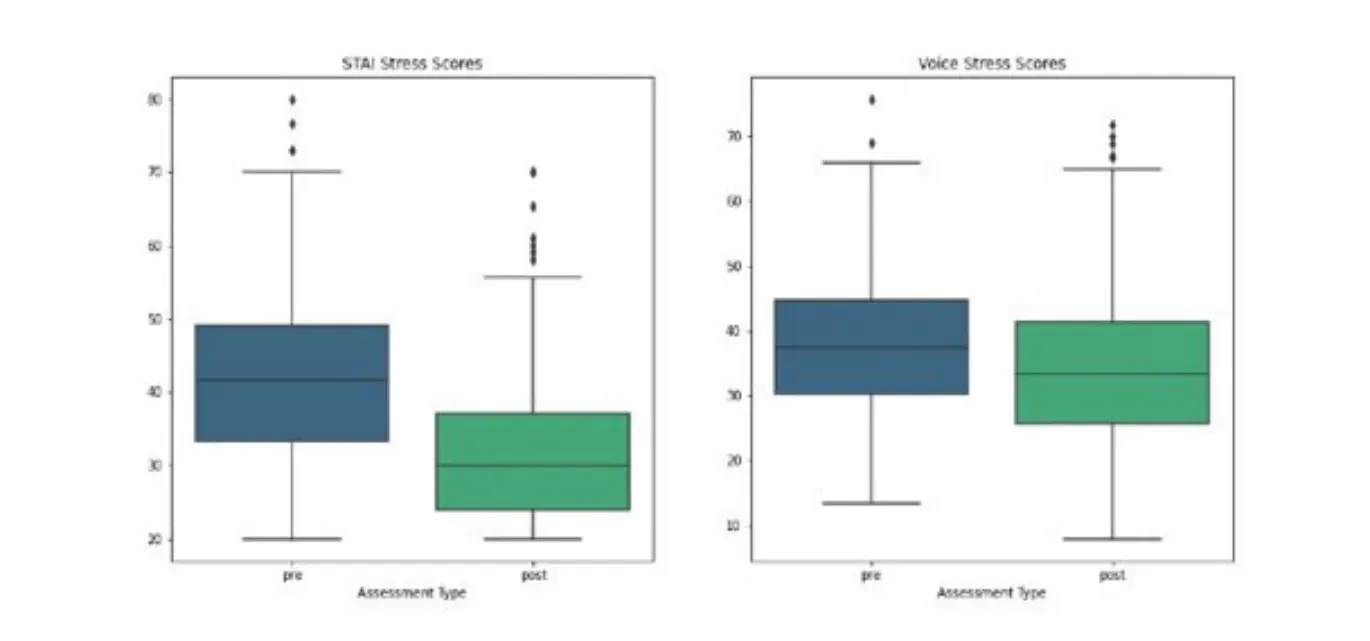
Solace Lifesciences partnered with Canary Speech to provide a simple, objective way to measure stress using Canary Speech’s revolutionary voice analysis and stress detection software. In this study, we used the aforementioned voice analysis and stress detection software to validate NuCalm’s technology at decreasing acute stress. We also measured the software’s effectiveness and accuracy at detecting both state and trait dependent variance of stress. Voice recordings from 698 participants were collected at baseline and both before and after a NuCalm session. They were analyzed with Canary Speech’s linguistic, machine learning model to measure the change in stress scores across a NuCalm session and across multiple NuCalm sessions. The stress scores from voice alone were compared to responses from the State Trait Anxiety Index (STAI) questionnaire to measure the model’s accuracy. A significant decrease in stress was detected from pre- to post-NuCalm recording. A decrease in stress was also observed across multiple NuCalm sessions. The model produced very low false negative and false positive rates of stress when compared to the clinically validated STAI questionnaire.
Effectiveness of NuCalm® at reducing stress over singular or multiple assessments
| Pre NuCalm | Post NuCalm | Before and After Percentage Change | ||
|---|---|---|---|---|
| STAI Scores | Assessment 1 Mean (SD) | 42.85(13.32) | 31.59(11.29)* | 26.3% decrease in stress levels before/after 1 session |
| Assessment 8 Mean (SD) | 38.69(12.93) | 30.23(10.46)* | 21.9% decrease in stress levels before/after 8 sessions |
Table 1: Stress was significantly reduced across multiple NuCalm journeys as shown by the STAI and the voice model (p<.001).
Significant changes in STAI scores and Voice Stress scores were identified across a single NuCalm session. This is a direct measurement of a reduced acute stress response that occurs during the NuCalm session journey. Both the voice stress model and STAI are indicative of significant chance in stress reduction (as seen in Figure 2).
Over the course of eight NuCalm journeys, there were significant reductions in STAI scores and voice stress scores. This demonstrates a compounding effect of reduced stress experience across time. The more a subject used NuCalm, the more adaptation and resiliency to stress occurred.
In conclusion, the model validates that NuCalm decreases stress and the model is effective at detecting this decrease. The combination of the speech stress metric and NuCalm may provide a novel way of measuring and managing stress. As stress continues to prove itself as a significant concern to public health in modern society, alongside the limited demonstrable efficacy of developed tools/techniques to help individuals better manage this problem, the Stress Test and NuCalm’s technology may provide an effective and non-invasive solution. The results of this study indicate that there are distinct advantages and significant future capabilities for the integration of this two-step approach of non-invasively detecting and assessing stress and providing efficacious means of better regulating the human stress response. In the current marketplace, there is limited accessibility for the everyday consumer to both use an objective metric of stress and means to regulate stress in one platform. By providing objective and biometric data that is non-invasive, reliable, and valid, the consumer will have confirmation and trust in determining the severity and impact of their stress state. In turn, they can then rely on the proven technology of NuCalm to assist in regulating nervous system dysfunction. For this reason, Solace Lifesciences will work to combine an all-in-one platform for the stress diagnostic and intervention.
Conclusion
Over the past decade, NuCalm has been proven as a pioneer in health technology dedicated to helping individuals manage acute stress, enhance their resiliency to stress, get better sleep, and live more fulfilled lives. This paper highlights a compilation of scientific studies that demonstrate the significant findings of how NuCalm inherently changes psychophysiology to make users more adaptive to stress. The key differentiator between NuCalm and other modalities/strategies for enhancing stress resiliency is that NuCalm is effective at enhancing parasympathetic activity and reducing sympathetic output both acutely (during the NuCalm journey) and residually (after the journey). NuCalm has been used successfully in over 2 million dental surgery procedures and continues to be a leading non-invasive means for enhancing relaxation during this seemingly uncomfortable circumstance for many individuals. Having the ability to accomplish proven stress reduction without the use of pharmacological drugs is the primary mission of the company. This serves to give users true physiological change that is without negative side effects, a development of tolerance, or experience of symptoms of withdrawal. It also serves as a non-invasive and easy-to-use delivery mechanism that works every time it is used. NuCalm has been used and demonstrated as effective in a wide variety of settings and applications. Ranging from those with mental health related concerns to those with cancer or suppressed immunological functioning, NuCalm can serve as an effective strategy for improving health outcomes by reducing the deleterious effects of chronic and sustained stress. Using NuCalm on a consistent basis will help you to reap the benefits of enhancing HRV metrics, improving mood, fortifying your nervous system’s distress, and enhancing overall well-being.